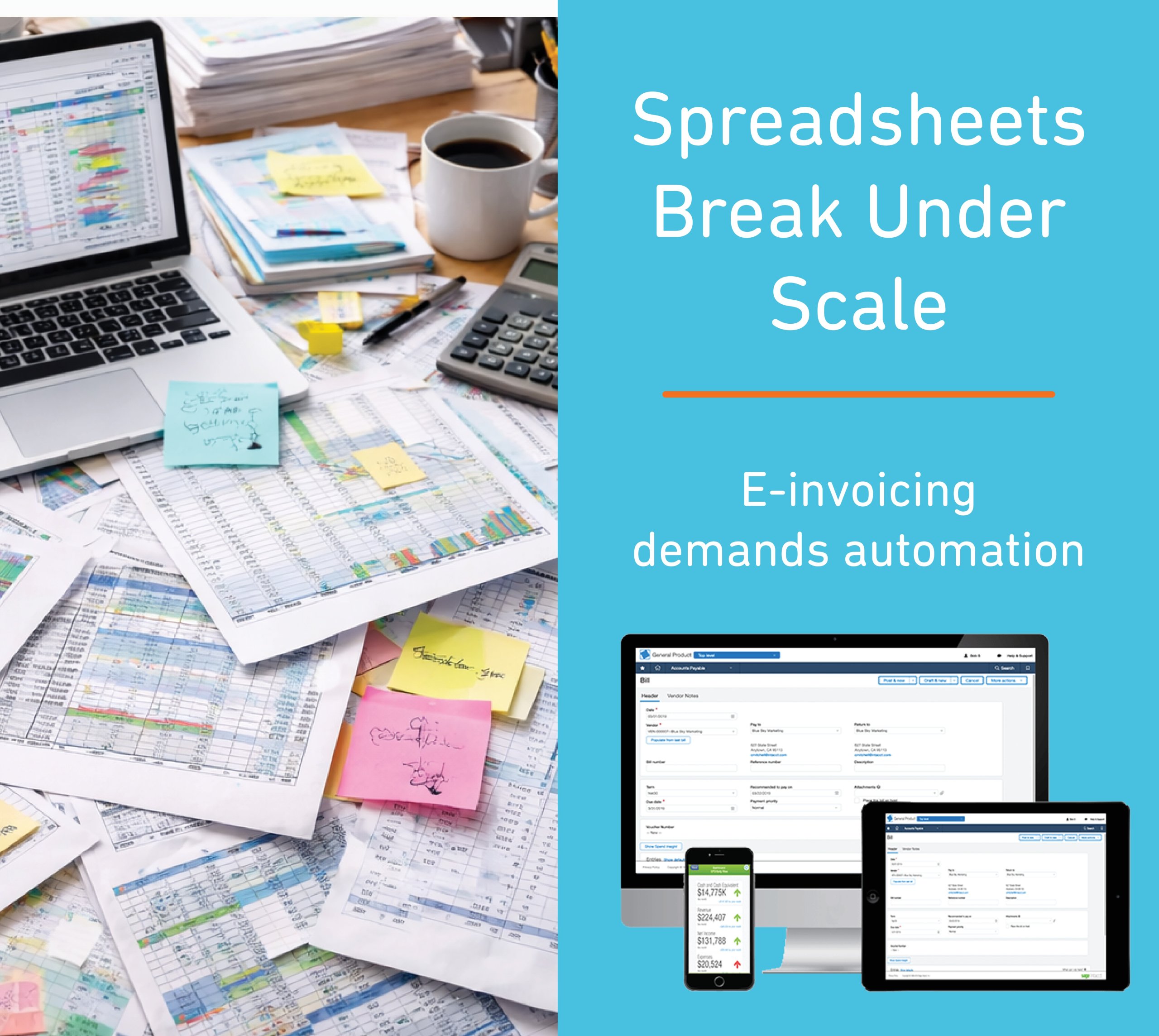
Mandatory E-Invoicing Is Coming: Why Spreadsheets Won’t Cut It
As South Africa starts moving towards mandatory e-invoicing, many businesses remain unprepared. For manufacturers, distributors, and wholesalers, this isn’t just another administrative change, it’s a fundamental shift in how financial operations, compliance, and trading will function.
Relying on spreadsheets and legacy systems can leave a business exposed. Manual processes may work for a handful of invoices, but when volumes scale to hundreds or thousands per day, errors multiply, compliance becomes risky, and operational efficiency suffers. Beyond simple mistakes, manual processes make it difficult to maintain visibility across the order-to-cash cycle, trace invoices, or reconcile accounts quickly.
Cross-border trade adds another layer of complexity. Some African countries already require invoices to feature real-time QR codes generated by revenue authorities. Different standards between countries mean businesses need flexible systems capable of handling multiple compliance scenarios simultaneously. Without automation, companies risk fines, missed trading opportunities, and costly bottlenecks.
Preparing for E-Invoicing: Key Steps
- Review existing systems for compliance readiness and integration capability.
- Redesign processes to support automated workflows and improve data quality.
- Train teams on new procedures and responsibilities to reduce errors.
- Ensure systems can handle multiple compliance standards across regions.
Automation reduces manual workload, ensures accurate reporting, strengthens traceability, and supports smoother supply-chain operations. It also positions businesses to comply with e-invoicing rules while maintaining efficiency with trading partners.
The message is clear: spreadsheets and outdated systems will no longer be sufficient. E-invoicing will become the standard, and businesses that embrace automation, integration, and process readiness today will operate more efficiently, maintain compliance, and avoid disruption in the near future. Starting early is no longer optional, it’s essential.